


The Psychology of “Free”: Why Guests Take Amenities (and How to Control It)
Learn why guests take “free” hotel amenities and how to reduce overconsumption using smart placement, packaging, and behavioral psychology—without hurting guest experience.
Walk into any hotel room or Airbnb, and you’ll notice a familiar pattern: neatly placed toiletries, fresh towels, maybe a few extras like slippers or dental kits.
Some guests use what they need and leave the rest behind. Others take nearly everything.
It’s easy to assume this comes down to guest behavior or personality—but in reality, it’s largely driven by psychology.
Understanding why guests take amenities—and how subtle cues influence their decisions—can help you reduce waste, control costs, and still deliver a generous, high-quality experience.

Why “Free” Changes Guest Behavior
In behavioral economics, there’s a concept known as the “zero price effect.”
When something is free, people don’t evaluate it rationally. Instead:
- The perceived value increases
- The decision to take it becomes effortless
- The downside (cost, need, usefulness) disappears
In a hospitality setting, this means guests may take items they:
- Don’t need
- Wouldn’t normally buy
- May never even use
A $0.25 bottle of shampoo suddenly feels like a “bonus”—not because of its actual value, but because it’s free and available.
What Guests Are Most Likely to Take (and Why)
High-Perceived-Value Items
Guests are drawn to items that look valuable:
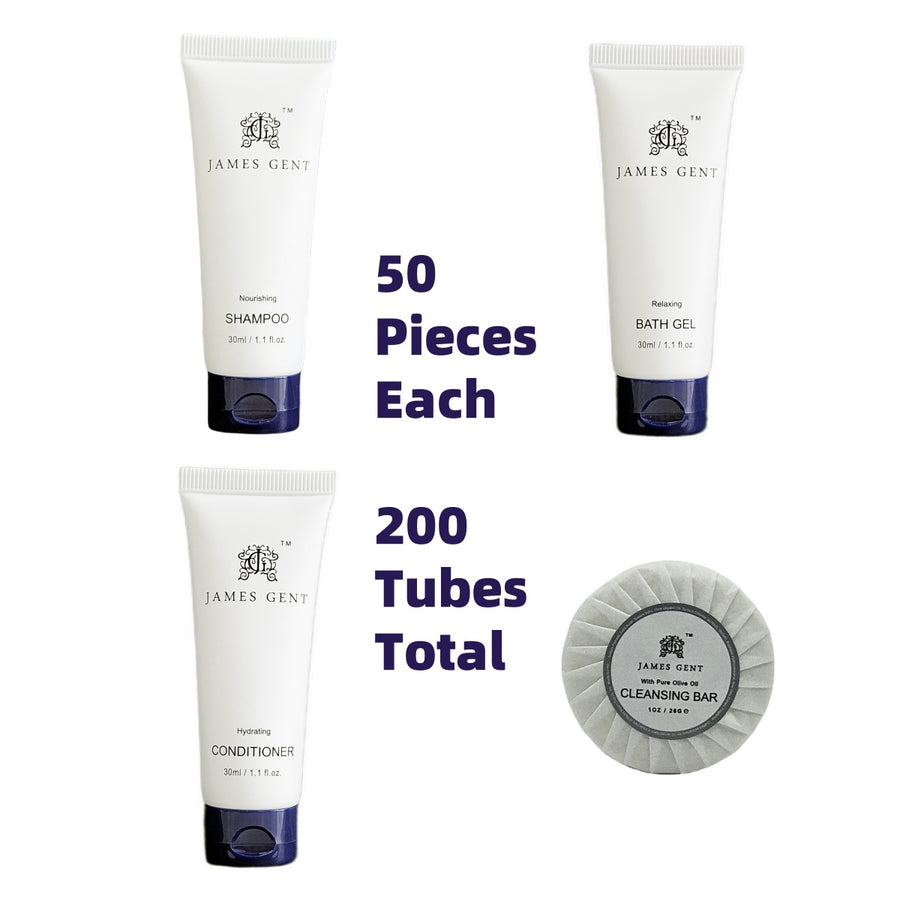
- Branded toiletries
- Premium-looking packaging
- Items that feel like extras (slippers, dental kits, grooming sets)
Even when the actual cost is low, thoughtful design and presentation increase the likelihood that guests will take them.
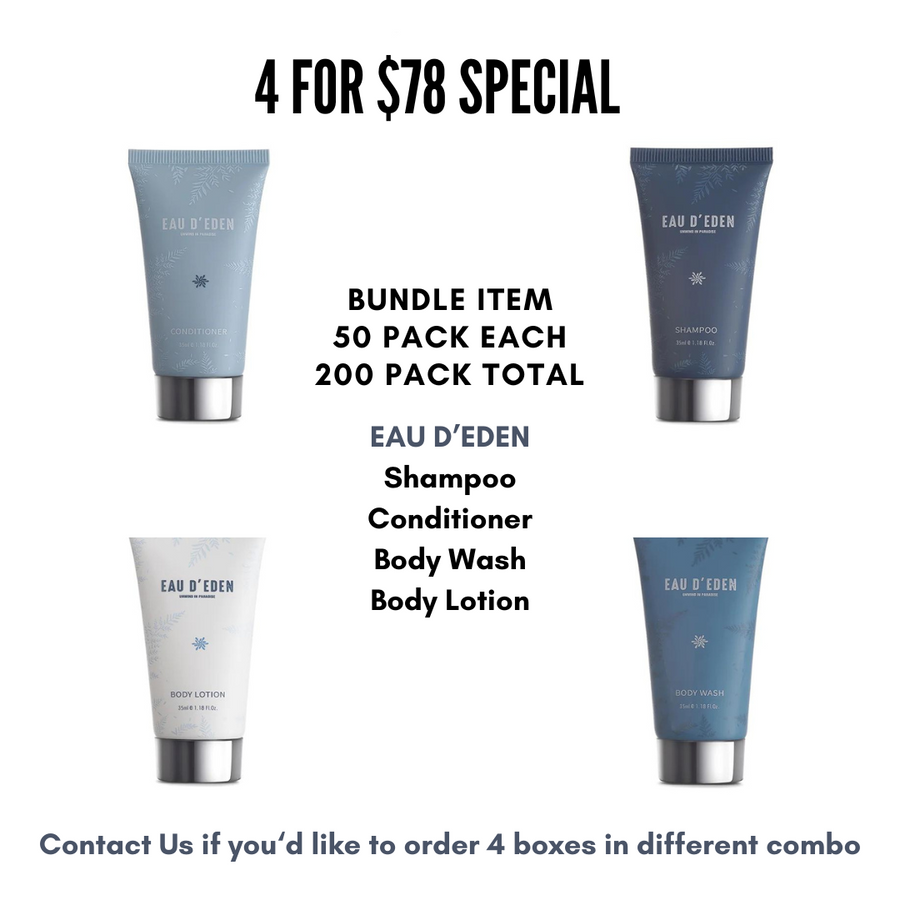
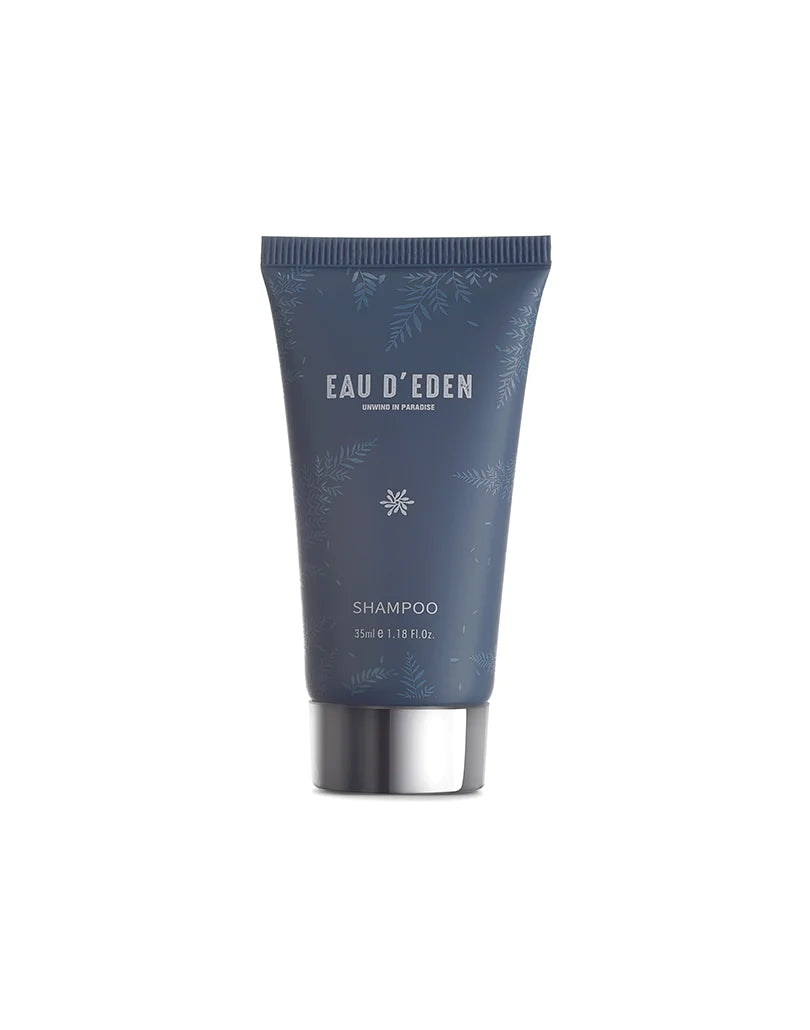
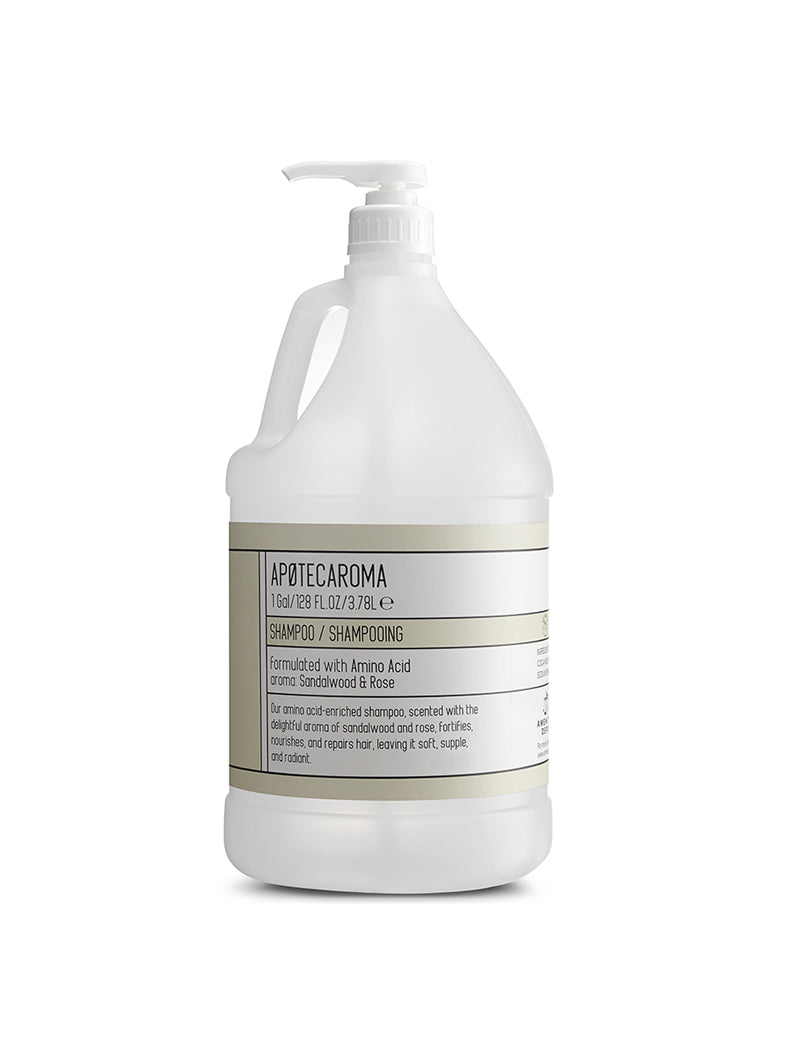
This is why well-designed collections—like APOTECAROMA or EAU D’EDEN—can elevate perception, but also increase “take rates” if not managed strategically.
Portable and Convenient Items
Size and portability play a major role.
Guests are far more likely to take:
- Travel-size bottles
- Individually wrapped items
- Lightweight, easy-to-pack products
On the other hand, bulkier or fixed items (like wall-mounted dispensers) are rarely taken.
Items That Signal “Intended to Take”
Some amenities unintentionally invite guests to take them.
Examples include:
- Individually packaged items
- Products placed near luggage areas
- Items presented in abundance
These cues suggest: “This is yours.”
Even if that’s not your intention, the presentation communicates it.
Perceived Value vs Actual Cost
Cheap Items That Feel Valuable
Here’s where things get interesting.
Items that cost very little can still feel worth taking if they:
- Look premium
- Are neatly presented
- Come in cohesive sets
For example, a well-designed soap bar in minimalist packaging may be more likely to be taken than a larger, generic product.
Expensive Items That Guests Ignore
At the same time, higher-cost items are often left behind if they:
- Aren’t portable
- Don’t feel personal
- Are harder to access or remove
This is why:
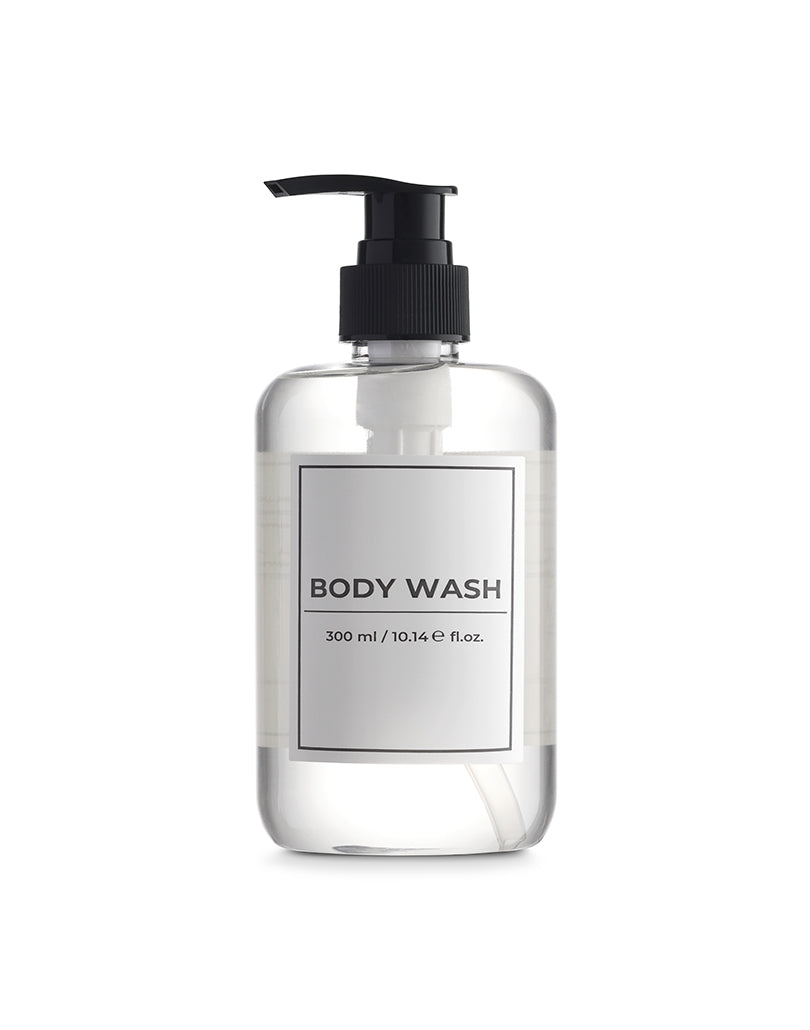
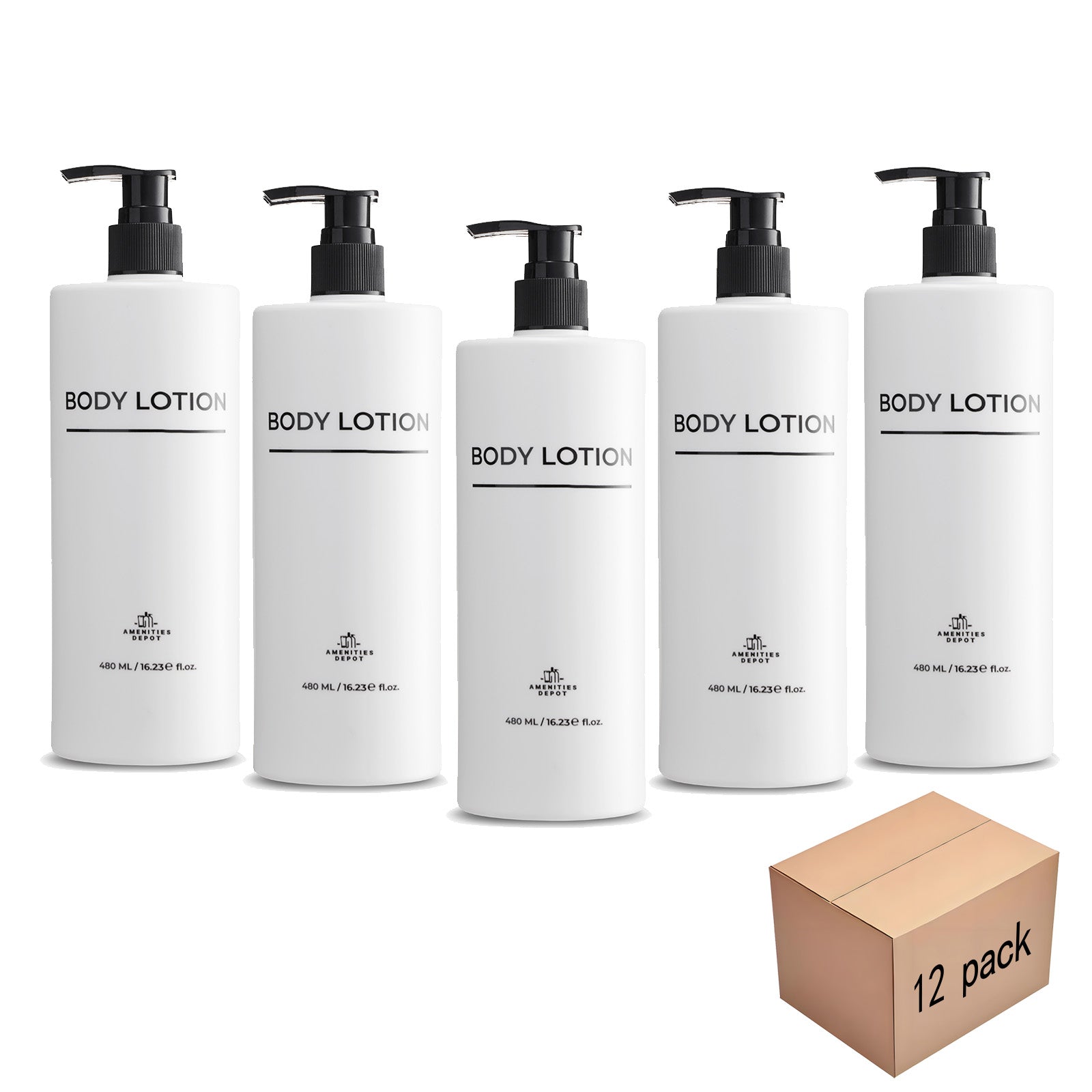
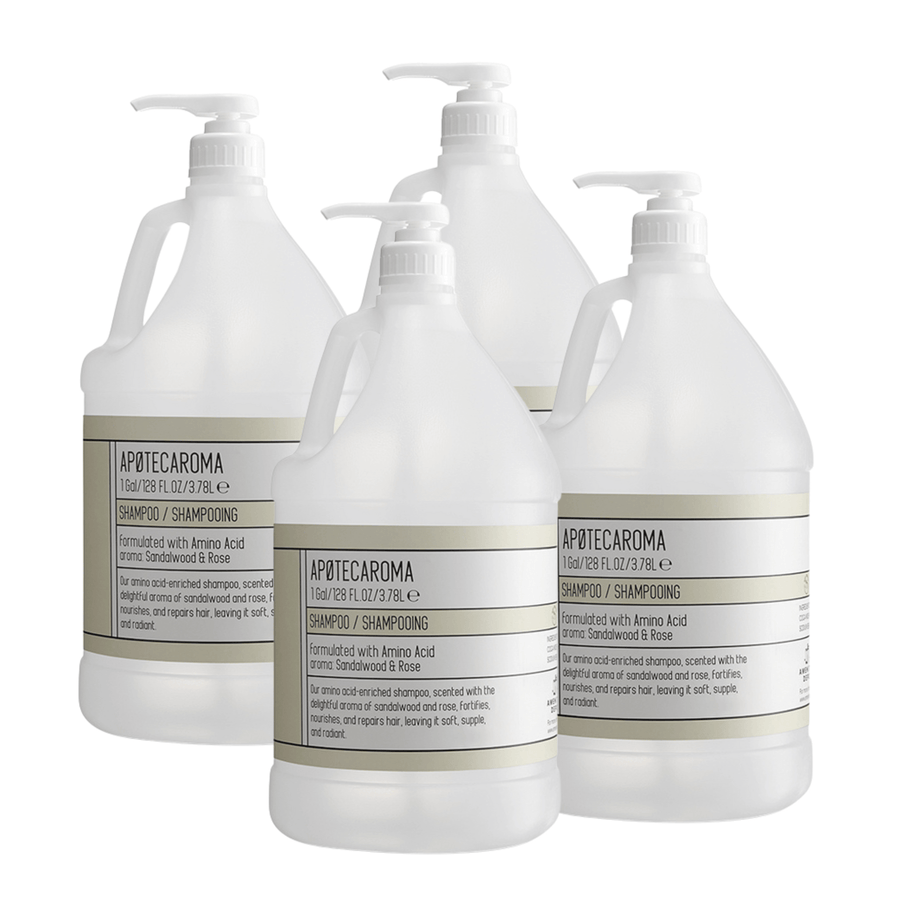
- Pump dispensers reduce loss
- Mounted systems control usage
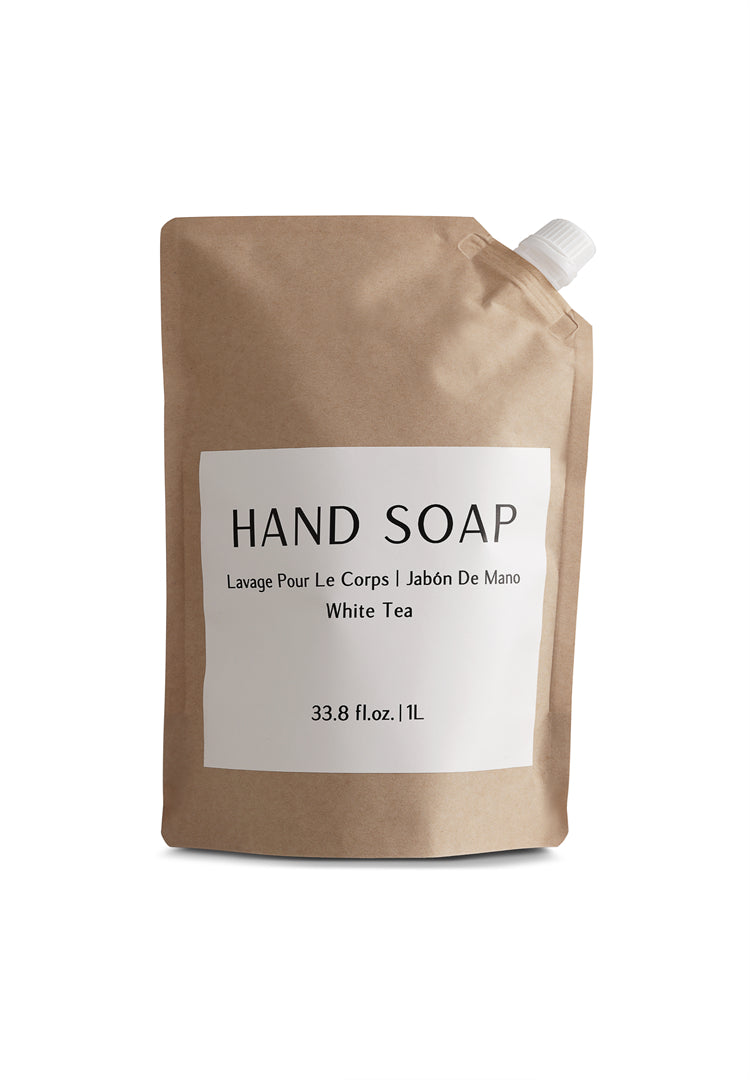
- Refillable formats lower long-term cost per stay
Collections like White Label, which include dispenser and bulk refill options, are designed with this balance in mind—offering quality while limiting unnecessary consumption.
The Role of Placement and Quantity Psychology
Visibility Drives Consumption
Guests use what they see.
- At eye level
- Near the sink
- In clear, central positions
…are far more likely to be used—and taken.
Items tucked away in drawers or less visible areas are used more selectively.
The “Abundance Effect”
When guests see multiple units of the same item, it signals availability.
This creates a subtle permission structure:
“There’s plenty, so taking more is okay.”
Overstocking rooms—especially with small items—can unintentionally increase consumption and loss.
Controlled Presentation Reduces Waste
Minimal, curated setups tend to perform better operationally.
- One set per guest
- Clearly arranged items
- Limited quantities
…reduces ambiguity and helps guide behavior without saying a word.
Subtle Ways to Reduce Overconsumption (Without Hurting Guest Experience)
Switch to Dispensers Where It Makes Sense
- Reduce portability (less likely to be taken)
- Encourage appropriate usage amounts
- Lower long-term replenishment costs
They’re especially effective in Airbnbs, extended-stay properties, and high-volume hotels.
Use Smaller or Right-Sized Packaging
Right-sized packaging:
- Limits overuse
- Maintains a sense of generosity
- Reduces leftover waste
Eco-friendly options like Biocorn offer controlled packaging formats that balance sustainability with cost efficiency.
Improve Presentation to Signal Intent
- Tray setups → curated and intentional
- Loose items → casual and freely available
When items look thoughtfully placed, guests treat them as part of the room—not as giveaways.
Standardize Quantity Per Room
- One shampoo per guest
- One soap per sink
- Clearly defined sets
This removes guesswork and reduces overconsumption while simplifying housekeeping.
Balancing Guest Satisfaction with Cost Control
Avoid Making Guests Feel Restricted
- Don’t remove essential items
- Don’t create scarcity
- Don’t add friction
Guests should still feel cared for and comfortable.
Smart Trade-Offs
- Branded items can reinforce your property
- Small takeaways can enhance guest memory
- Selective generosity can improve reviews
Turning “Free” Into a Strategic Advantage
Instead of fighting guest behavior, design for it.
- Reinforce your brand identity
- Deliver a consistent experience
- Guide usage patterns naturally
Allow low-cost items to be taken, but control high-cost categories through format and placement.
Final Takeaway: Control Behavior Without Limiting Experience
Guests don’t follow rules—they follow cues.
Those cues are shaped by:
- Packaging
- Placement
- Quantity
- Presentation
By making small adjustments, you can reduce waste, lower costs, and maintain a strong guest experience.
The most effective operators don’t just supply amenities—they design experiences that guide behavior.