


Eco-Friendly Hotel Amenities: How Efficient Manufacturing Makes Them Better
Manufacturing is a major part of what makes hotel amenities truly sustainable. It is not only about choosing better ingredients or recyclable materials. It is also about how products are made, packed, shipped, and supplied to hotels in daily operations.
For hotels reviewing eco-friendly hotel amenities manufacturing efficiency, comparing a hotel amenity kit, or sourcing bulk hotel amenities, efficient production can deliver three important benefits at once: better sustainability, lower operating costs, and a stronger guest experience. When suppliers reduce waste, improve energy use, and optimize packaging, hotels gain practical environmental benefits without sacrificing quality or presentation.
This guide explains how efficient manufacturing supports eco-friendly hotel amenities, why it matters to the hospitality industry, and how hotels can use smarter sourcing decisions to support both long-term savings and greener brand positioning.

Understanding Manufacturing Efficiency in Hotel Amenities
Manufacturing efficiency in the hotel bathroom amenities sector means producing toiletries and guest supplies with less wasted energy, fewer raw materials, lower water use, and better packaging design. In simple terms, it is about making hotel products in a smarter, cleaner, and more consistent way.
For the hospitality industry, this efficiency usually comes down to four key areas. The first is energy use, since efficient equipment and better production scheduling can lower emissions. The second is water consumption, especially when producing liquid products and cleaning machinery. The third is packaging optimization, where smarter design helps reduce excess materials and transport volume. The fourth is supply chain efficiency, including sourcing, batching, storage, and shipping.
This matters because manufacturing is directly connected to hotel operations. A hotel bathroom amenities supplier with better efficiency can help a hotel reduce packaging waste, improve delivery consistency, and support more sustainable practices. In many cases, efficient production also supports stronger corporate social responsibility goals by reducing overall environmental impact while improving purchasing efficiency.
The Connection Between Efficient Manufacturing and Sustainability
Efficient manufacturing supports sustainability because it reduces the resources needed to make and deliver each amenity. When suppliers use less energy, improve production planning, and reduce material waste, the final product carries a lower environmental impact.
This is especially important in the hospitality sector, where sustainable hotel amenities are purchased in large volumes and used every day. Even small improvements in production efficiency can lead to meaningful reductions in plastic use, packaging waste, and freight emissions. That is why better factory processes are an important part of eco-friendly practices and stronger hotel sustainability.
A good example is the shift from single-use plastic minis to refill systems. Instead of producing and shipping thousands of tiny bottles, manufacturers can support larger refill containers and dispenser-based systems. This reduces plastic consumption, lowers transport volume, and helps hotels build a more visible green hotel strategy.
Suppliers can also support sustainability by optimizing product assortment, reducing unnecessary packaging layers, and improving carton design for shipping. In this way, efficient manufacturing becomes more than a factory issue. It becomes a practical system that helps hotels lower waste, improve cost control, and strengthen their sustainability message.
Hotel Amenities Kits – A Smarter Packaging Solution
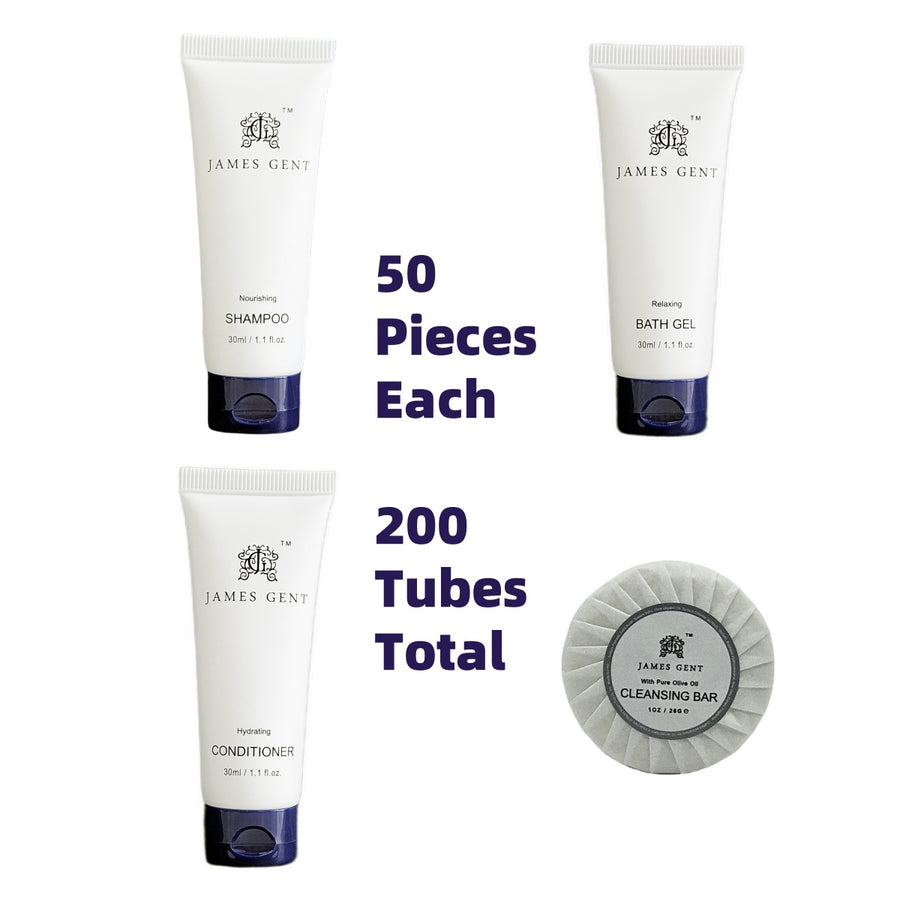
A hotel amenity kit is a bundled set of guest essentials, often including shampoo, conditioner, soap, body wash, and other convenience items. They are commonly used in hotels, resorts, serviced apartments, and vacation rentals that want a coordinated, ready-to-place amenity solution.
From a manufacturing perspective, a hotel amenity kit can be a smarter packaging option when they are produced efficiently. Instead of overpacking each item separately, suppliers can create a more streamlined format that reduces material use and improves shipping efficiency. This helps reduce unnecessary waste while maintaining a clean and attractive presentation.
For hotels, the advantages are practical. A hotel amenity kit simplifies procurement, make housekeeping replenishment easier, and support a more unified brand image. They can also lower handling costs and support better storage efficiency. For operators looking for eco-friendly hotel amenities, a well-designed kit can combine convenience, lower packaging use, and stronger visual consistency.
This also matters to the modern guest. Many travelers now pay closer attention to green packaging and responsible sourcing. A thoughtfully packed kit can improve the guest experience by showing that the property values both comfort and environmental responsibility. In this way, packaging efficiency supports both hotel operations and brand perception.
The Role of Bulk Production in Sustainable Hotel Amenities
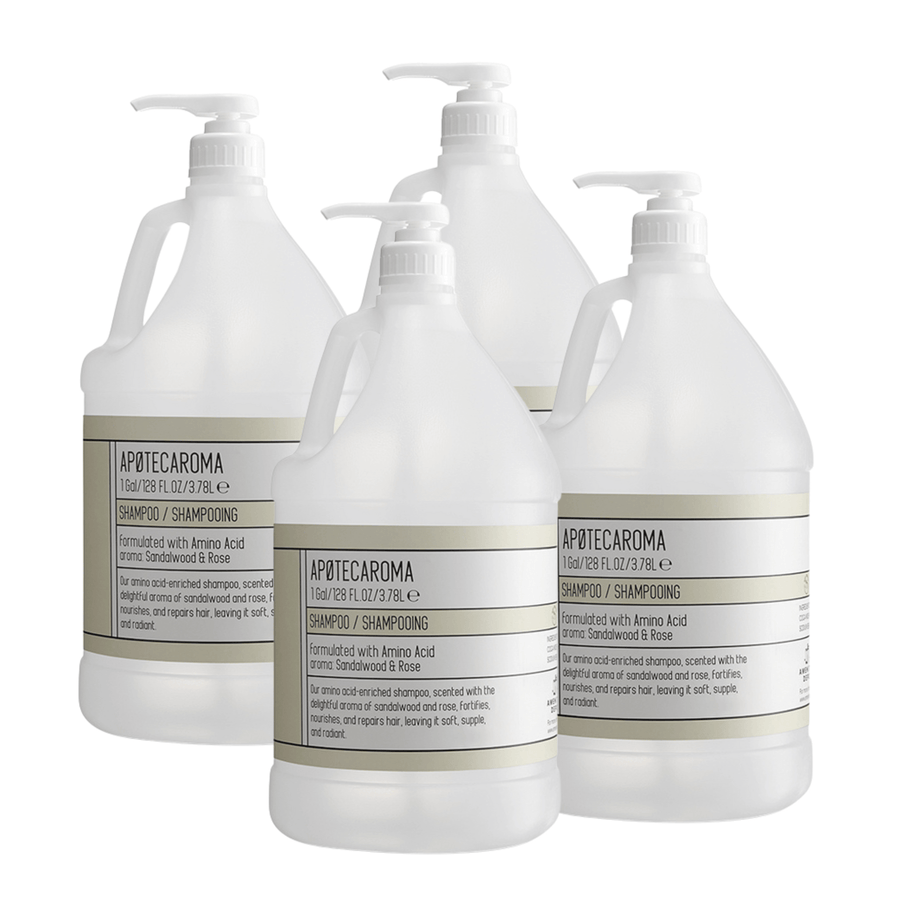
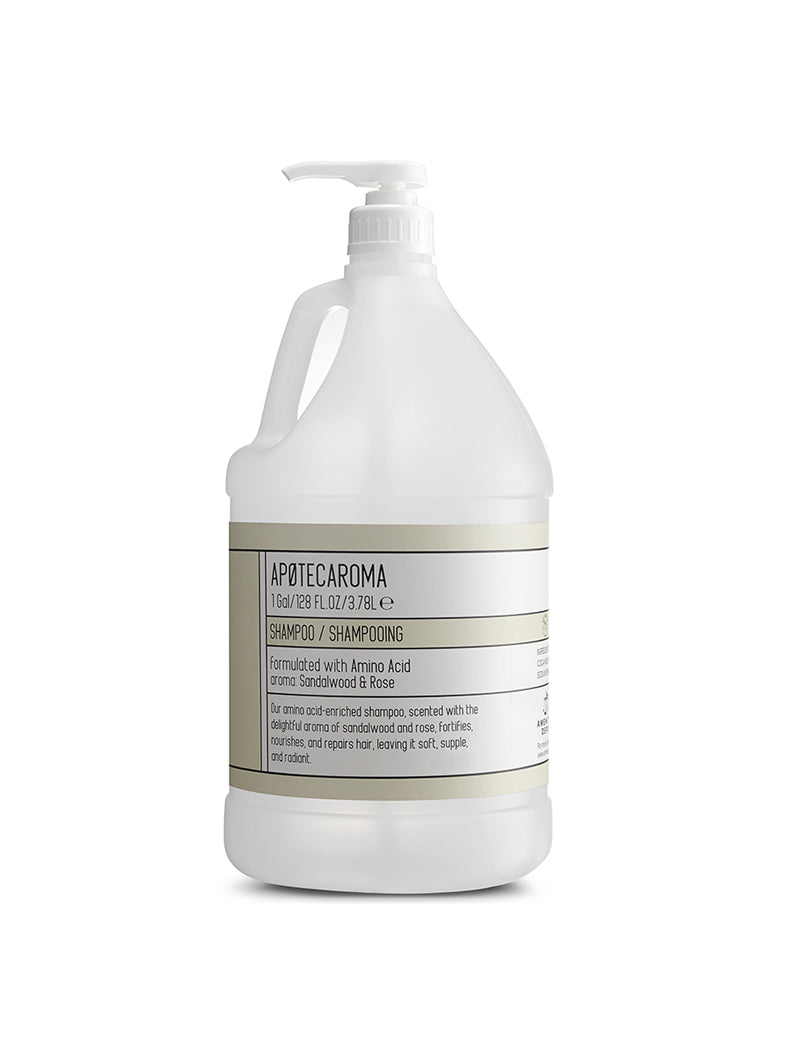
Bulk hotel amenities production means supplying products in larger-volume formats rather than relying only on small single-use items. This includes gallon refills, larger back-of-house containers, and dispenser-based refill system options for products such as body wash, shampoo, conditioner, and hand soap. For hotels exploring these solutions, hotel toiletries wholesale offer a practical way to access larger formats at scale.
Bulk production is one of the clearest ways to improve sustainability in a hotel supply program. Larger formats use less plastic per use, require fewer labels and caps, and reduce the number of cartons needed for shipping. This helps reduce packaging waste, lower transport emissions, and improve cost efficiency.
A common example is switching from mini body wash bottles to a bulk body wash dispenser system. Instead of replacing many small bottles after each stay, a hotel can refill larger dispensers as needed. This lowers plastic use, reduces housekeeping workload, and creates a more modern guest experience.
For hotels exploring this transition, you can browse our Hotel Body Wash collection to find options suitable for bulk supply, refill systems, and sustainable hospitality programs.
Innovative Manufacturing Practices That Improve Hotel Amenities
Today’s best manufacturers are improving hotel amenities by adopting more innovative and responsible production methods. One major area is materials. More suppliers now use biodegradable, recyclable, or reduced-plastic packaging to support lower environmental impact and stronger eco-friendly practices.
Another important area is the factory itself. Energy-efficient machinery, cleaner production layouts, and renewable energy sources can all reduce the carbon footprint of the products being made. For the hospitality industry, these improvements support stronger corporate social responsibility efforts and give hotels better supply-side sustainability stories to share.
Automation also plays a role. Smarter filling systems, precision packaging equipment, and digital quality controls can help reduce raw material loss and packaging waste. Better automation often means fewer defects, more accurate output, and less unnecessary waste throughout the process.
Supply chain transparency is becoming increasingly important as well. Traceability, environmental certifications, and responsible sourcing records make it easier for hotels to evaluate whether an amenity is truly eco-friendly. For hotels that care about long-term sustainable practices, transparency is now an essential part of choosing the right supplier.
Benefits of Partnering with Efficient Manufacturers
Partnering with an efficient manufacturer can directly reduce hotel operating costs. Better production planning and packaging optimization often lead to lower unit costs, fewer damaged shipments, and more stable freight performance. For hotels trying to balance budgets with green goals, this is a major advantage. Working with reliable hotel amenities suppliers ensures these efficiencies are built into the supply chain from the start.
Reliable supply is another important benefit. Efficient manufacturers are typically better at forecasting demand, keeping production consistent, and reducing stock disruptions. This is valuable in the hospitality industry, where supply gaps can affect service standards and the overall guest experience.
There is also a branding benefit. Guests increasingly notice whether amenities reflect a hotel’s sustainability values. Using eco-friendly hotel amenities suppliers that are well designed and responsibly produced can strengthen trust, improve brand positioning, and support loyalty among environmentally aware travelers.
If you are reviewing more responsible product options, you can also explore our New Arrivals in Sustainable Amenities for recently added hospitality products that support greener sourcing strategies.
How Hotels Can Choose the Right Amenity Suppliers
Hotels should choose hotel amenities suppliers using a clear checklist. Look for relevant certifications, responsible material choices, proven manufacturing efficiency, and flexible supply options such as kits and bulk formats. Suppliers that offer both hotel amenity kit options and bulk hotel amenities solutions are often better prepared to support different property types and operational needs. The same applies when evaluating eco-friendly hotel amenities suppliers, who should demonstrate both environmental and operational competence.
It is also important to ask direct questions. Hotels should ask suppliers how they reduce packaging waste, what materials they use, how their factory manages energy and water consumption, and whether they can provide evidence of environmental certifications or traceability. These answers help reveal whether a supplier’s sustainable practices are practical and credible.
Long-term partnerships also matter. A supplier that understands your occupancy level, brand standards, and replenishment needs can help reduce waste, improve consistency, and support better planning over time. In many cases, the right supplier relationship becomes part of a hotel’s long-term sustainability strategy.
Guest Experience and Brand Value
Efficient manufacturing may happen behind the scenes, but its results are visible to guests. When amenities are cleanly designed, responsibly packed, and aligned with a hotel’s green message, they help create a stronger story for the property.
That story matters. Guests increasingly connect sustainability with quality, trust, and brand integrity. A refillable dispenser, recyclable package, or carefully designed hotel amenity kit can reinforce a hotel’s commitment to eco-friendly practices and improve how guests perceive the overall stay.
For a green hotel, amenities can become part of the marketing message. Hotels often promote refill systems, reduced-plastic packaging, or responsibly sourced guest supplies as part of their wider environmental initiatives. When those claims are supported by real manufacturing efficiency, the brand story feels more authentic and more valuable to the guest.
Future of Hotel Amenities Manufacturing
The future of hotel amenities manufacturing is moving toward systems that create less waste and support stronger sustainability goals. Refill stations, waterless products, biodegradable films, and zero-waste packaging are becoming more important across the hospitality industry.
At the same time, regulations and industry standards are tightening. More hotels and suppliers are being asked to reduce single-use plastics, improve supply chain transparency, and document their environmental impact. This will make manufacturing efficiency even more important in the years ahead.
Hotels and manufacturers will need to adapt together. Better product design, smarter refill systems, traceable sourcing, and cleaner factory operations will all shape the next generation of sustainable hotel amenities. For hotels planning ahead, working with efficient manufacturers now is one of the best ways to prepare for future change.
Most Frequent Questions
People Also Ask
Hotel amenities are eco-friendly when their materials, packaging, and manufacturing process minimize environmental harm. This includes using recyclable or biodegradable packaging, reducing single-use plastics, adopting refill systems, and working with suppliers who follow energy-efficient and low-waste production methods. Ultimately, an eco-friendly hotel amenity combines responsible design with a lower carbon footprint from factory to guest.
Hotels can switch to bulk hotel amenities by transitioning from individual mini bottles to larger dispenser systems or refillable containers. The process typically starts with selecting hotel toiletries wholesale options such as gallon-sized body wash, shampoo, and conditioner, then installing wall-mounted dispensers or refill stations. Training housekeeping staff and communicating the change to guests as a sustainability upgrade helps ensure a smooth and well-received transition.
Hotels should evaluate hotel amenities suppliers and eco-friendly hotel amenities suppliers based on certifications, material responsibility, proven manufacturing efficiency, and supply flexibility. Key factors include the supplier’s ability to offer both hotel amenity kit and bulk formats, reduce packaging waste, demonstrate energy and water management in production, and provide traceable sourcing records. A supplier who can consistently meet these standards will better support a hotel’s sustainability goals and operational stability.
Energy-efficient appliances help hotels lower electricity use, reduce utility costs, and cut carbon emissions. They support sustainability by improving daily operational efficiency and work even better when paired with eco-friendly hotel amenities and efficient supplier practices.
Hotels can become more sustainable by reducing single-use plastic, adopting refill systems, improving water and energy efficiency, sourcing eco-friendly supplies, and working with suppliers that support low-waste manufacturing. Amenities are often one of the easiest starting points.
Efficiency means getting better results with fewer wasted resources. Hotels and restaurants can improve efficiency by simplifying purchasing, using bulk formats, reducing packaging waste, improving stock management, and choosing suppliers with better production systems.
The hospitality industry can become more sustainable by improving operational efficiency, reducing waste, choosing responsible suppliers, lowering emissions, and adopting practical eco-friendly practices across products, services, and purchasing systems.
On-Page Questions
Going green helps hotels reduce costs, improve brand reputation, lower environmental impact, and meet growing guest expectations for responsible business practices.
An amenity is eco-friendly when its materials, packaging, manufacturing process, and supply format reduce environmental harm. This may include recyclable packaging, refill systems, efficient production, and lower-waste design.
Hotels implement biodegradable amenities by choosing suppliers that offer compostable or biodegradable packaging, testing the products in operations, training staff, and including the change within a broader sustainability system.
Eco-friendly hotel supplies drive sustainability by reducing plastic use, lowering waste, improving sourcing standards, and helping hotels create more visible environmental progress for both operations and guests.