


Choosing the Right Amenities for Your Property Type (And Avoiding Costly Over-Investment)
Learn how to choose the right amenities based on your property type and avoid costly over-investment. Align your supplies with ADR, guest expectations, and operational efficiency.
In hospitality, it’s easy to fall into the trap of copying what others are doing—especially when it comes to amenities.
A quick search will give you endless “must-have” lists. But here’s the problem: what works for a boutique hotel can be completely wasteful for a budget motel—and insufficient for a premium Airbnb.
The most profitable operators don’t follow generic checklists. They align their amenities with their property type, guest expectations, and pricing strategy.
Done right, this reduces waste, improves guest satisfaction, and protects your margins.

Why One-Size-Fits-All Amenity Strategies Don’t Work
Not all guests expect the same experience—and they shouldn’t.
A traveler booking a $79/night motel room is prioritizing:
- Cleanliness
- Convenience
- Value
A guest paying $250/night at a boutique hotel expects:
- Thoughtful design
- Elevated presentation
- A more curated experience
When you apply the same amenity strategy across different property types, you either:
- Overspend on items that don’t increase perceived value
- Underdeliver, leading to poor reviews and missed revenue opportunities
The key is alignment—not abundance.
The Key Principle: Match Amenities to Your Business Model
Before selecting any product, ask:
- Who is my target guest?
- What are they actually expecting at this price point?
- Will this amenity improve their experience—or go unnoticed?
Your ADR (Average Daily Rate) should guide your decisions.
Higher ADR properties can justify more refined presentation and upgraded products. Lower ADR properties should focus on efficiency, durability, and consistency.
Remember: guests evaluate amenities relative to what they paid—not in absolute terms.
Amenity Strategies by Property Type
Budget Motels: Focus on Functionality and Cost Control
For budget properties, the goal is simple: meet expectations reliably without overspending.
What matters most:
- Clean, presentable essentials
- Consistency across rooms
- Durable, cost-effective supplies
Smart choices:
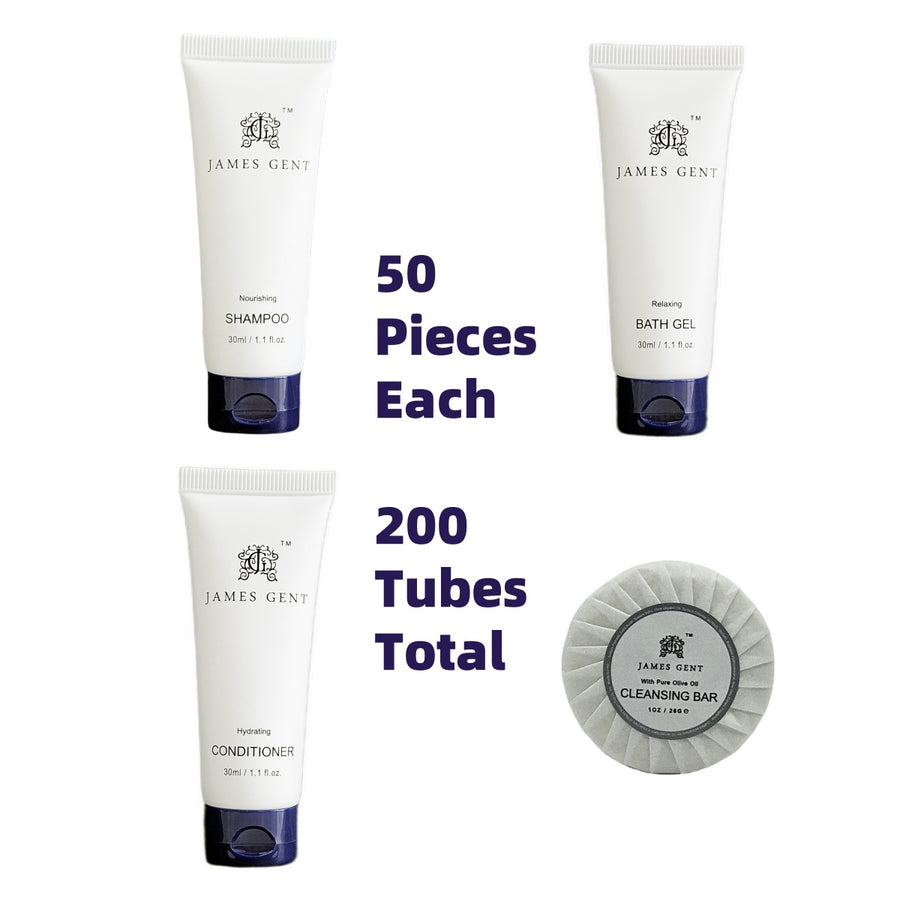
- Travel-size toiletries that are simple and functional
- Long-lasting towel sets that withstand frequent washing
- Minimal but complete setups (no unnecessary extras)
There’s little ROI in offering premium lotions or luxury packaging here. Guests won’t pay more for it—and often won’t notice.
But cutting too far (e.g., poor-quality soap or worn towels) will lead to complaints.
Mid-Range Hotels: Balance Cost and Guest Experience
This is where strategy becomes more nuanced.
Guests expect:
- A comfortable, consistent experience
- Decent-quality toiletries
- Clean, well-presented bathrooms
Opportunities to optimize:
- Use bundled amenity kits to standardize rooms
- Choose mid-tier collections that look polished without premium pricing
- Focus on presentation (trays, organized layouts)
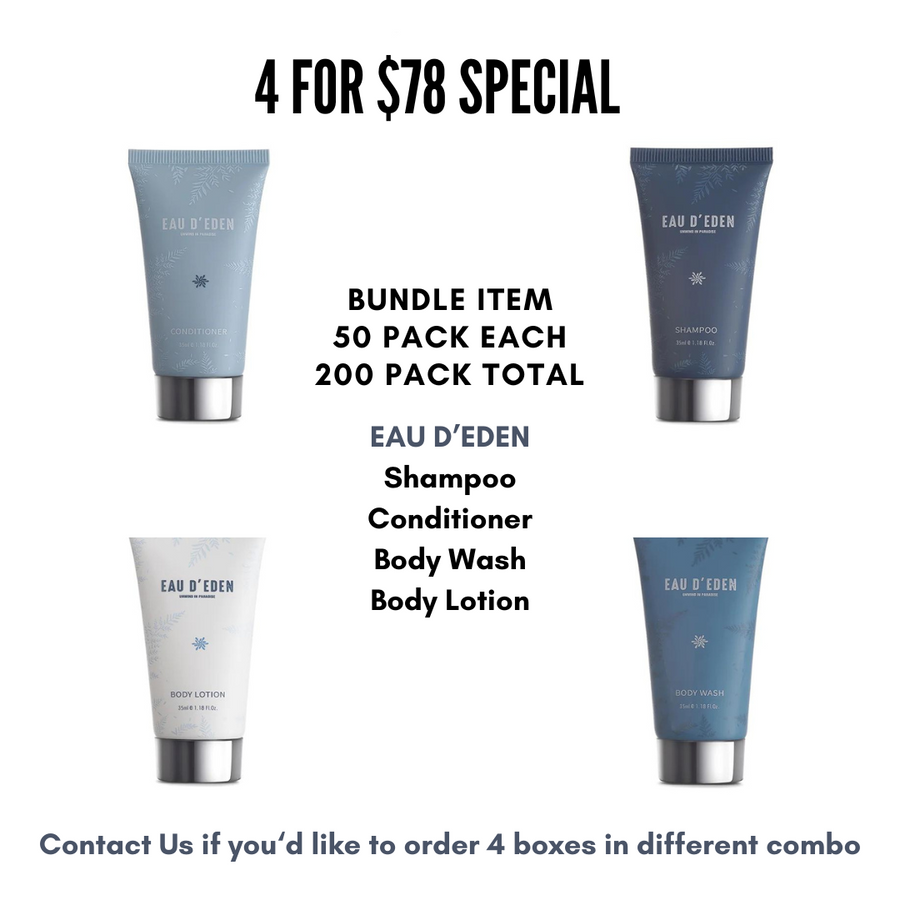
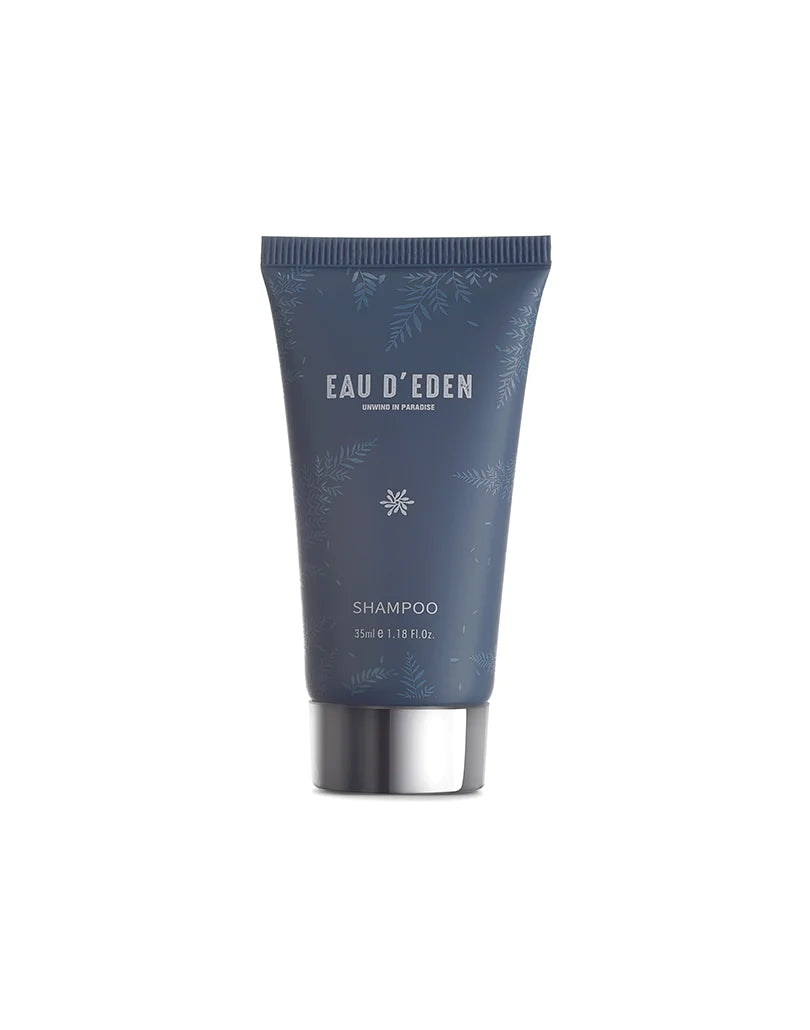
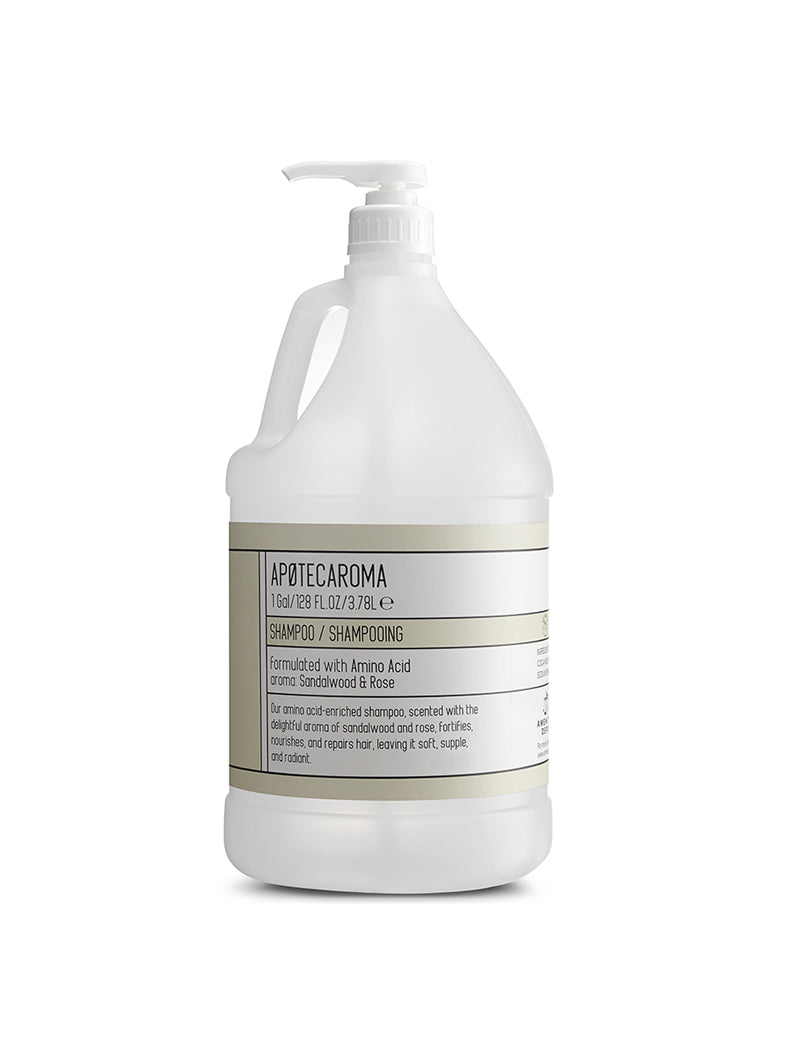
Collections like APOTECAROMA or EAU D’EDEN help strike this balance—offering cohesive packaging and reliable quality without pushing costs too high.
Boutique Hotels: Experience-Driven Amenities
In boutique settings, amenities are part of your brand story.
Guests expect:
- Thoughtful design
- Cohesive aesthetics
- A memorable, elevated experience
But “premium” doesn’t mean more—it means intentional.
Best practices:
- Use coordinated collections for a consistent look
- Focus on scent, packaging, and presentation
- Avoid clutter—curation is more impactful than quantity
Well-designed product lines like APOTECAROMA or White Label allow you to create a high-end feel while maintaining operational efficiency.
Airbnbs & Vacation Rentals: Practical + Home-Like Comfort
Short-term rentals operate differently—especially with longer stays.
Guests value:
- Convenience
- Usability
- A “home-like” environment
Smart strategies:
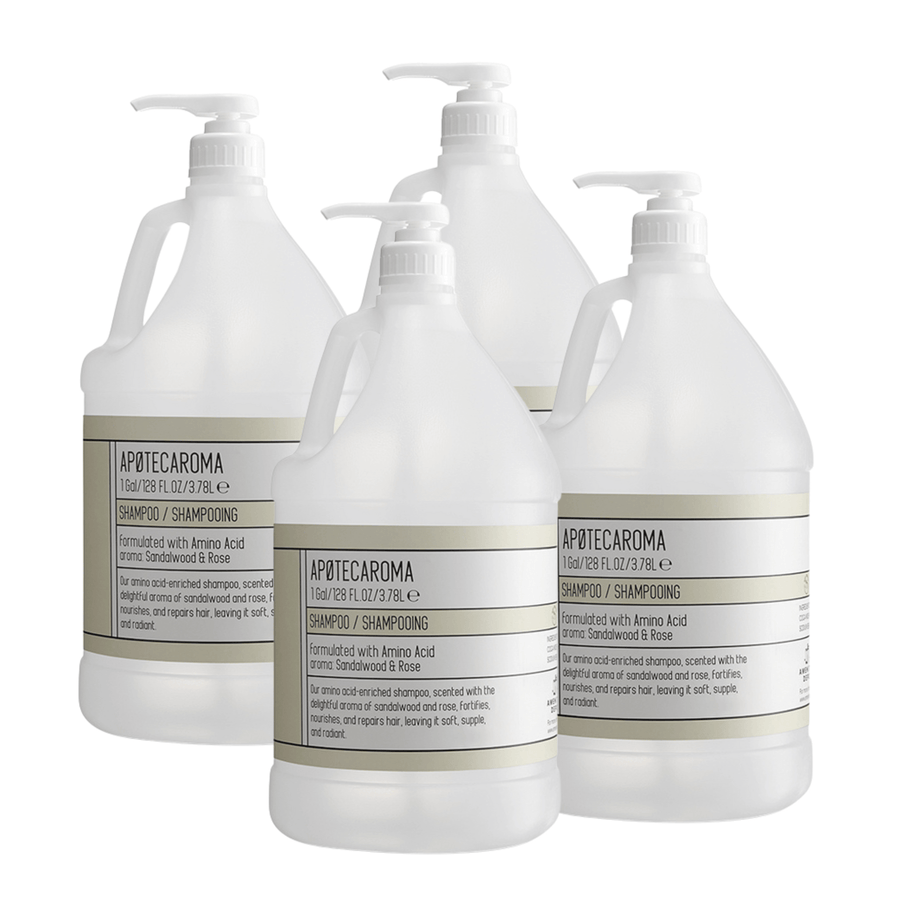
- Use pump dispensers or refillable systems to reduce restocking
- Offer fewer items, but in more practical formats
- Prioritize durability and ease of maintenance
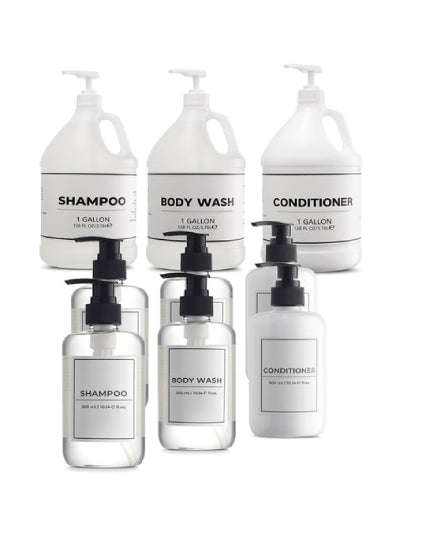
Bulk options and refill systems (like gallon dispensers in White Label collections) reduce cost per stay while simplifying operations.
Eco-friendly options such as Biocorn also resonate well with guests who value sustainability.
When “Premium” Is Unnecessary (and Wasteful)
Over-Spending on Low-Impact Items
Not all amenities deliver value.
Common waste areas include:
- Excessive toiletry kits that go unused
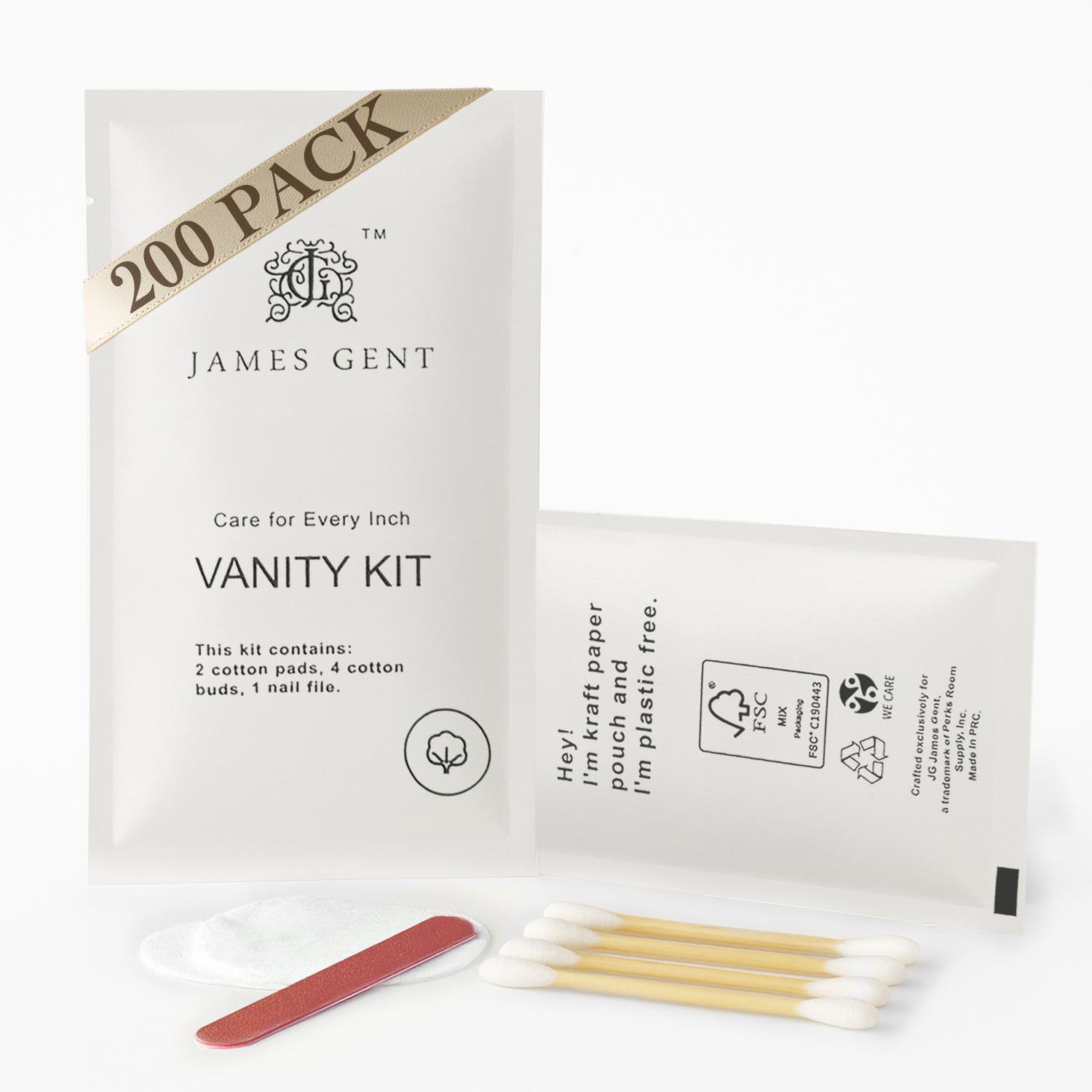
- Rarely used items like vanity kits or shoe polish
- Overloading rooms with products “just in case”
If guests aren’t using it—or noticing it—it’s not adding ROI.
Misaligned Luxury
One of the most common mistakes is placing high-end products in low-ADR properties.
If your pricing doesn’t support it:
- Guests won’t pay more
- The upgrade goes unrecognized
- Your margins shrink unnecessarily
Luxury only works when it aligns with expectations.
Aligning Amenities with ADR (Average Daily Rate)
Creating the Right Perception at Each Price Point
Think in tiers:
- Budget ADR: Clean, simple, reliable
- Mid-range ADR: Polished, consistent, slightly elevated
- High ADR: Curated, aesthetic, experience-driven
Your goal isn’t to impress every guest—it’s to meet (or slightly exceed) expectations for your price point.
Cost-Per-Stay Discipline
Instead of focusing on unit price, define a target amenity cost per stay.
This helps you:
- Protect margins
- Avoid over-investment
- Make consistent purchasing decisions
Even small overages—multiplied across hundreds of bookings—can significantly impact profitability.
How to Avoid Over-Investment While Maintaining Quality
Standardize and Simplify
Reducing variability is one of the fastest ways to cut costs.
- Use the same setup across all rooms
- Limit the number of SKUs
- Train housekeeping on a consistent layout
This improves efficiency and reduces errors.
Choose the Right Product Formats
Format matters just as much as the product itself.
- Travel-size: Best for hotels and short stays
- Dispensers: Ideal for Airbnbs and extended stays
- Bulk refills: Most cost-efficient for high-volume operations
Matching format to usage patterns prevents waste and lowers long-term costs.
Use Bundles and Kits Strategically
Amenity kits and bundled purchases help:
- Maintain consistency
- Simplify procurement
- Reduce over-ordering
They’re especially effective for mid-range hotels and multi-unit operators.
Smart Amenity Upgrades That Actually Deliver ROI
Focus on High-Impact Areas
Not all upgrades are equal.
Prioritize:
- Bathroom presentation
- Towels and linens
- Core toiletries (shampoo, body wash, soap)
These are the items guests interact with most—and remember.
Use Cohesive Product Lines
Consistency creates perceived quality.
Using coordinated collections like White Label, Biocorn, or EAU D’EDEN helps:
- Improve visual presentation
- Reinforce brand identity
- Simplify purchasing decisions
Final Takeaway: The Right Amenities Are Context-Dependent
There’s no universal checklist that works for every property.
The most effective approach is to:
- Align amenities with your property type
- Match them to your ADR and guest expectations
- Focus on high-impact, high-usage items
Profitability doesn’t come from offering more—it comes from offering the right things.
When your amenities fit your business model, you reduce waste, improve guest satisfaction, and make smarter use of every dollar spent.